
220 W bifacial panel: which EcoFlow station?
Solar input, XT60, shade, albedo — so you do not buy a panel the station will clip.


1. 220 W, a portable sweet spot
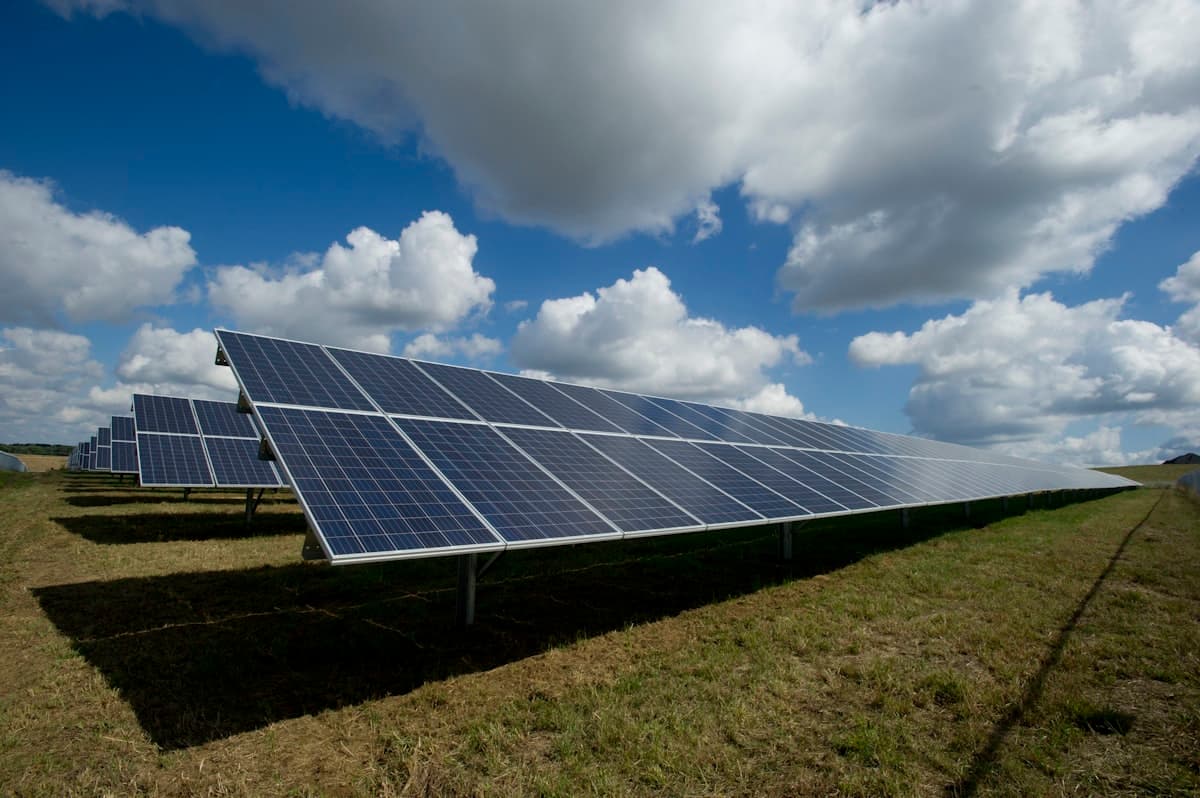
The 220 W bifacial is the most cited compromise: still foldable, enough current for a RIVER Max / 3 Plus / small DELTA, without 400 W weight.
Bifacial = a bit of energy from the rear face (light ground, paving). On dark grass the bonus is small. Aim and shade matter more than the “bifacial” sticker.
2. Match the station input
RIVER 2 ≈ 110 W solar max: a 220 W will be heavily clipped. RIVER 2 Max / 3 Plus ≈ 220 W: a good match. DELTA 2 often up to ≈ 500 W: a 220 W is a first panel, not the ceiling.
Two 220 W in parallel / series depending on MPPT voltage: only if the station sheet allows it (V and A). Wrong wiring = no charge or an alarm.


3. Cables, MC4, XT60
EcoFlow panels often leave MC4; the station expects XT60 (or Anderson on some models). The right lead is an accessory, not a footnote.
Length and gauge: too long = losses. Check the Amazon kit (panel only vs panel + cable). PowerStream / STREAM use other connectors — do not mix ecosystems at random.
4. STREAM, balcony, portable
A foldable 220 W is not a STREAM balcony kit (micro-inverter, injection, FR rules). For home self-consumption, see STREAM Ultra X vs Pro.
Camping: face south (northern hemisphere), tilt, keep the bag off the cells. A 400 W that will not fit the pack will not leave home.
5. Panel + station checklist
Read max solar input (W, V, A) on the station sheet, then panel VOC. Stay under the limits. Live prices on Amazon, not here.
A watt meter / the EcoFlow app will show real output vs 220 W STC (lab, 25 °C, ideal sun — you will often see less).
- RIVER 2 → 100 W is more coherent than a clipped 220 W
- Max / 3 Plus / DELTA 2 → 220 W is relevant
- Larger DELTA → 220 W = first module, not the only one
Amazon affiliate links. Learn more